“`html
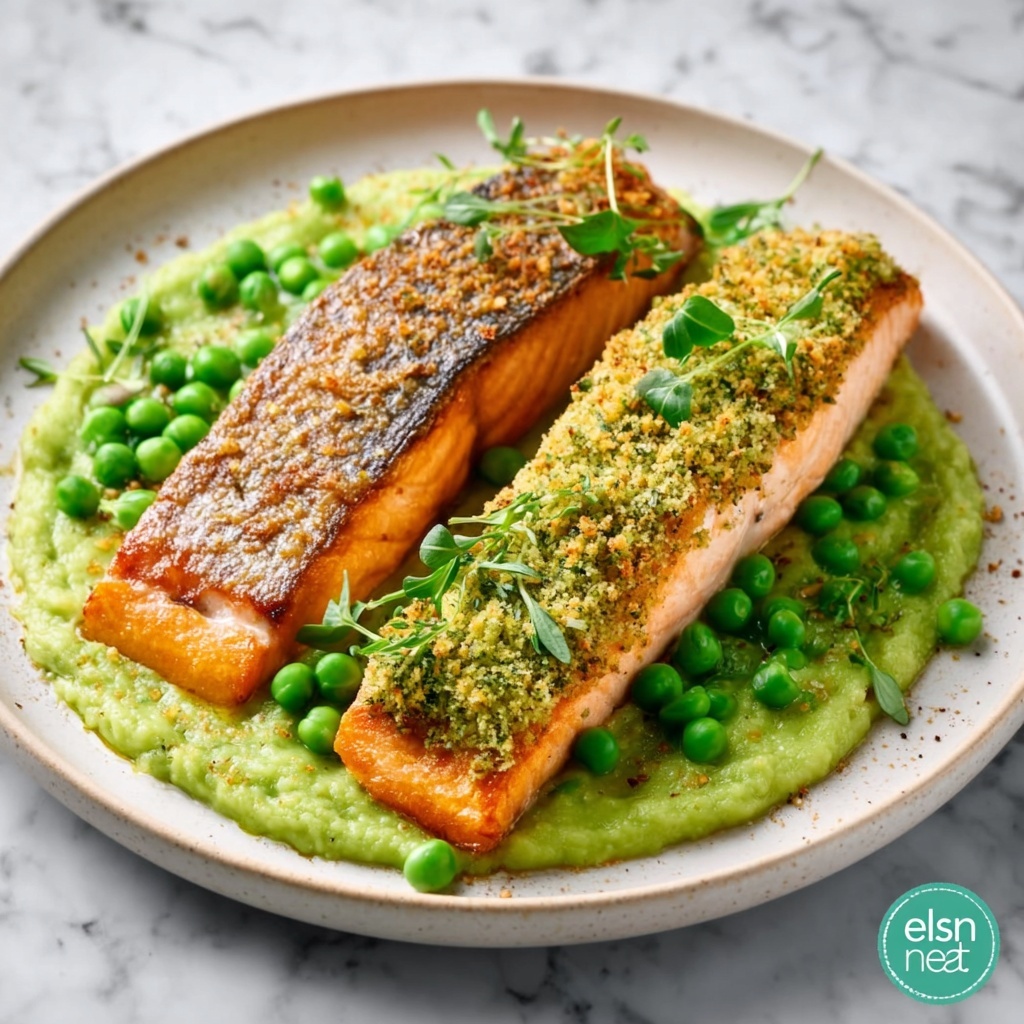
If you’re craving a dish that feels both elegant and wonderfully fresh, the Seared Salmon with Pea Purée & Herb Crust Recipe is an absolute must-try. This recipe offers perfectly seared salmon fillets topped with a crisp, flavorful herb crust, balanced by a smooth, vibrant pea purée that’s bursting with garden-fresh herbs and a hint of lemon. It’s a delightful combination that feels light yet satisfyingly rich, making it perfect for a cozy weeknight dinner or impressing guests with minimal fuss.
Ingredients You’ll Need
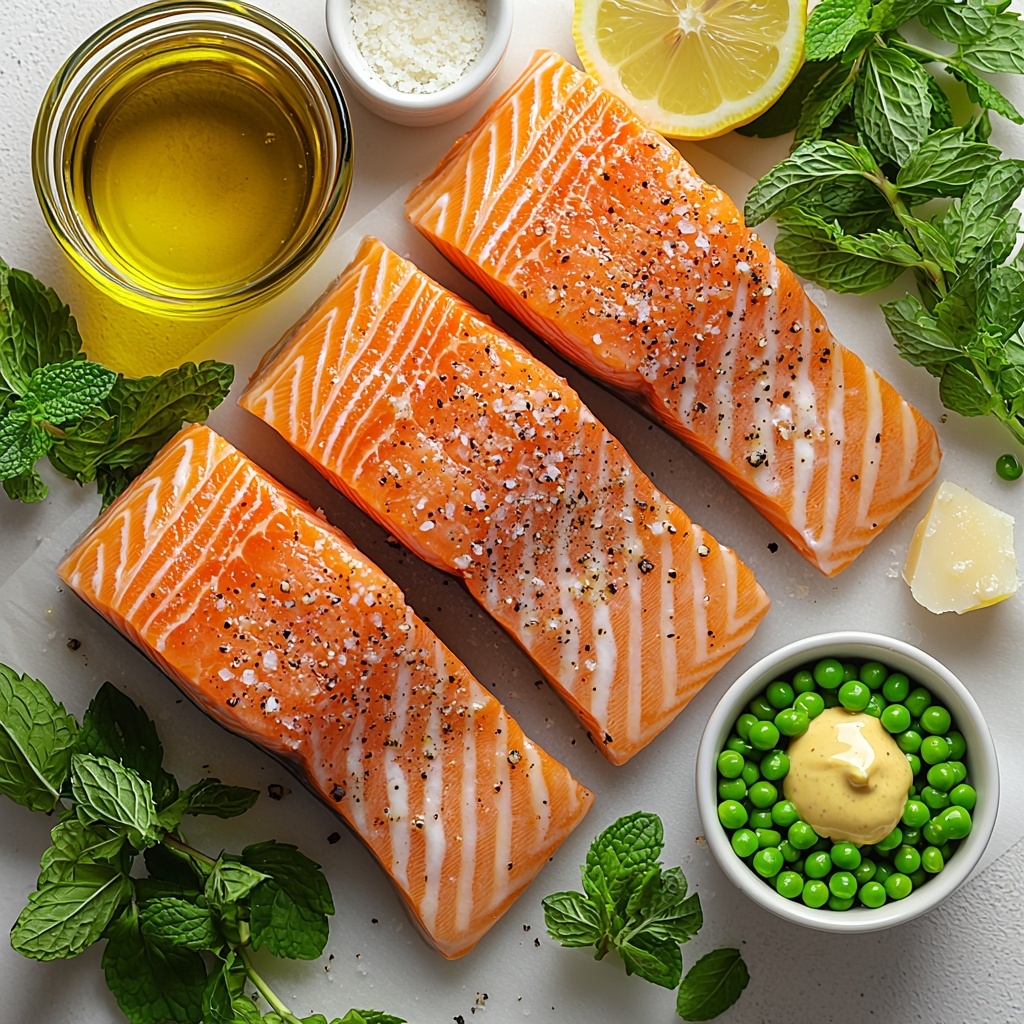
Every ingredient in this recipe plays a crucial role in creating that perfect harmony of flavors and textures. From the creamy pea purée to the crispy herb crust on the salmon, these simple components come together beautifully to make a dish that tastes far more complex than it is.
- Salmon fillets (4, 6-ounce, skin removed): Fresh, firm salmon forms the hearty centerpiece of the dish.
- Salt and pepper: Essential seasonings to enhance and balance the flavors.
- Olive oil (2 tablespoons): For a golden, crispy sear on the salmon without overpowering its natural flavor.
- Frozen peas (1 cup): The base of the vibrant, sweet purée that adds a pop of color.
- Fresh mint leaves (1/4 cup): Brings a refreshing brightness to the pea purée.
- Fresh parsley leaves (1/4 cup): Adds earthiness and depth to balance the mint and lemon.
- Lemon juice (2 tablespoons): Injects a subtle zing that brightens the entire plate.
- Breadcrumbs (1/4 cup): Provides that satisfying crunch for the herb crust.
- Grated Parmesan cheese (2 tablespoons): Adds a salty, nutty note to the crust.
- Dijon mustard (1 tablespoon): Acts as a flavorful glue to hold the crust on the salmon and adds a gentle tang.
How to Make Seared Salmon with Pea Purée & Herb Crust Recipe
Step 1: Prepare the Pea Purée
Begin by boiling your peas until tender, about 2 to 3 minutes. This quick blanch keeps their vibrant green color and sweet taste intact. After draining, toss them into a blender with fresh mint, parsley, lemon juice, and a pinch of salt. Blend until silky smooth, adding a splash of water if needed to reach your preferred consistency. This purée sets the fresh, zesty foundation for the dish and truly brings it to life.
Step 2: Mix the Herb Crust
While the purée rests, combine breadcrumbs, grated Parmesan, and a little salt and pepper in a small bowl. This mixture will form a delightful crust that’s packed with flavor and texture. The Parmesan ensures a lovely golden hue and a subtle savory kick, perfectly complementing the salmon’s natural richness.
Step 3: Season and Sear the Salmon
Pat your salmon fillets dry and season generously with salt and pepper on both sides. Heat olive oil over medium-high heat in a large skillet — the oil should shimmer but not smoke. Sear the salmon for about 4 to 5 minutes per side, developing a crisp, golden exterior while keeping the interior moist and tender. This technique locks in the fish’s delicate flavor and creates a satisfying contrast with the herb crust.
Step 4: Add the Herb Crust
In the last minute of cooking, spread a thin layer of Dijon mustard evenly over each salmon fillet. This not only enhances the taste but also helps the breadcrumb mixture stick securely. Sprinkle the herb crust over the mustard and gently press down, allowing it to form a beautiful, crunchy topping that is simply irresistible.
Step 5: Rest and Plate
Remove the skillet from heat and let the salmon rest briefly to keep it juicy. When ready, spoon a generous dollop of the bright pea purée onto each plate and gently nestle a fillet on top. A drizzle of olive oil or a sprinkle of fresh herbs makes a lovely final touch.
How to Serve Seared Salmon with Pea Purée & Herb Crust Recipe
Garnishes
Fresh herbs like extra mint or parsley leaves can elevate the dish visually and add an additional layer of freshness. A thin lemon wedge on the side invites diners to add a personal splash of citrus. Just a light drizzle of high-quality olive oil over the top also adds a subtle richness that rounds things out beautifully.
Side Dishes
This vibrant salmon pairs wonderfully with simple sides like roasted baby potatoes, garlic sautéed green beans, or a crisp mixed greens salad dressed lightly with lemon vinaigrette. These complements keep the spotlight on the salmon while offering textural variety and satisfying heartiness.
Creative Ways to Present
For a modern touch, try serving the pea purée as a swipe across the plate with the salmon laid on top for an elegant, restaurant-style look. Alternatively, serve the salmon over a bed of fluffy couscous or quinoa mixed with fresh herbs and a squeeze of lemon to turn it into a complete, colorful meal packed with contrasting textures.
Make Ahead and Storage
Storing Leftovers
You can store any leftovers in an airtight container in the refrigerator for 3 to 4 days. Keep the salmon separate from the pea purée if possible, as this helps maintain the best texture for each component. When refrigerated properly, the salmon remains moist and flavorful, while the purée keeps its fresh green vibrancy.
Freezing
While fresh is best for this recipe, you can freeze the cooked salmon fillets without the purée for up to one month. Wrap each fillet tightly in plastic wrap and place in a freezer-safe bag. The pea purée does not freeze well due to its creaminess and fresh herbs, so it’s best to prepare a fresh batch when reheating.
Reheating
Gently reheat the salmon in a low oven (about 275°F/135°C) for 10-15 minutes to preserve moisture and prevent drying out. Avoid microwave reheating if possible, as this can compromise texture and flavor. Reheat the pea purée separately on the stove over low heat, stirring occasionally until warmed through.
FAQs
Can I use fresh peas instead of frozen for the pea purée?
Absolutely! Fresh peas will add an even brighter, sweeter flavor to the purée, especially when they’re in season. Just boil them briefly until tender, similar to the frozen peas, and proceed with the rest of the recipe as usual.
What if I don’t have fresh mint or parsley on hand?
If you don’t have fresh herbs, you can substitute with dried versions, but use them sparingly as their flavor is more concentrated. Alternatively, try fresh basil or cilantro for a different but delightful herbaceous note in the pea purée.
Is it necessary to remove the salmon skin?
Removing the skin helps the herb crust stick better and makes for a more delicate bite, but you can leave it on if you prefer. Just make sure to crisp the skin well during cooking, which adds a lovely texture contrast.
Can I make the pea purée ahead of time?
Yes, the pea purée can be made up to a day in advance and stored in the refrigerator. Bring it back to room temperature or warm gently before serving to maintain its bright flavor and smooth texture.
How do I know when the salmon is perfectly cooked?
The salmon should be opaque and flake easily with a fork but still feel slightly firm and juicy inside. Cooking about 4-5 minutes per side on medium-high heat usually achieves this, but thickness may vary so keep a close eye as you sear.
Final Thoughts
This Seared Salmon with Pea Purée & Herb Crust Recipe is truly one of those dishes that feels special yet is surprisingly easy to prepare. With its vibrant colors, harmonious flavors, and wonderful textures, it’s bound to become a favorite you’ll want to make again and again. I encourage you to gather these simple ingredients, try it out, and serve up a meal that’s both nourishing and impressive in every bite.
“`
Print
Seared Salmon with Pea Purée & Herb Crust Recipe
- Prep Time: 10 minutes
- Cook Time: 15 minutes
- Total Time: 25 minutes
- Yield: 4 servings
- Category: Main Course
- Method: Frying
- Cuisine: Contemporary American
- Diet: Low Salt
Description
Seared Salmon with Pea Purée & Herb Crust is a quick and elegant dish featuring perfectly seared salmon fillets topped with a flavorful Dijon mustard and breadcrumb herb crust. Accompanied by a smooth, vibrant pea purée infused with fresh mint and parsley, this meal offers a fresh, savory twist that’s both nutritious and visually appealing.
Ingredients
For the Salmon:
- 4 (6-ounce) salmon fillets, skin removed
- Salt and pepper, to taste
- 2 tablespoons olive oil
- 1 tablespoon Dijon mustard
For the Pea Purée:
- 1 cup frozen peas
- 1/4 cup fresh mint leaves
- 1/4 cup fresh parsley leaves
- 2 tablespoons lemon juice
- Pinch of salt
- Water, as needed to adjust consistency
For the Herb Crust:
- 1/4 cup breadcrumbs
- 2 tablespoons grated Parmesan cheese
- Salt and pepper, to taste
Instructions
- Cook the peas: Bring a pot of water to a boil and cook the frozen peas for 2-3 minutes until tender. Drain the peas thoroughly and transfer them to a blender or food processor.
- Prepare the pea purée: Add fresh mint, parsley, lemon juice, and a pinch of salt to the peas in the blender. Blend until smooth, adding a little water if necessary to reach a creamy and pourable consistency. Set aside.
- Make the herb crust mixture: In a small bowl, combine the breadcrumbs, grated Parmesan cheese, and a pinch of salt and pepper. Mix well and set aside.
- Season and heat the salmon: Season both sides of the salmon fillets with salt and pepper. Heat olive oil in a large skillet over medium-high heat until hot.
- Sear the salmon: Place the salmon fillets in the hot skillet and sear for 4-5 minutes on each side, or until the salmon is cooked through and has a golden-brown crust.
- Add mustard and herb crust: During the last minute of cooking, spread a thin layer of Dijon mustard on top of each salmon fillet. Immediately sprinkle the breadcrumb mixture evenly over the mustard layer, pressing gently to ensure it adheres well.
- Rest the salmon: Remove the skillet from heat and let the salmon rest for 1 minute.
- Serve: Spoon the vibrant pea purée onto each plate, place a salmon fillet on top, and garnish with additional fresh herbs if desired. Serve immediately for best flavor.
Notes
- For a crispier crust, you can finish the salmon under a broiler for 1-2 minutes after adding the breadcrumb topping.
- Fresh herbs like dill or chives can be added to the pea purée for extra flavor.
- If using fresh peas instead of frozen, adjust cooking time accordingly, about 1-2 minutes in boiling water.
- Remove the skin from the salmon carefully to prevent sticking during the sear.
- This dish pairs well with a light white wine like Sauvignon Blanc or Pinot Grigio.