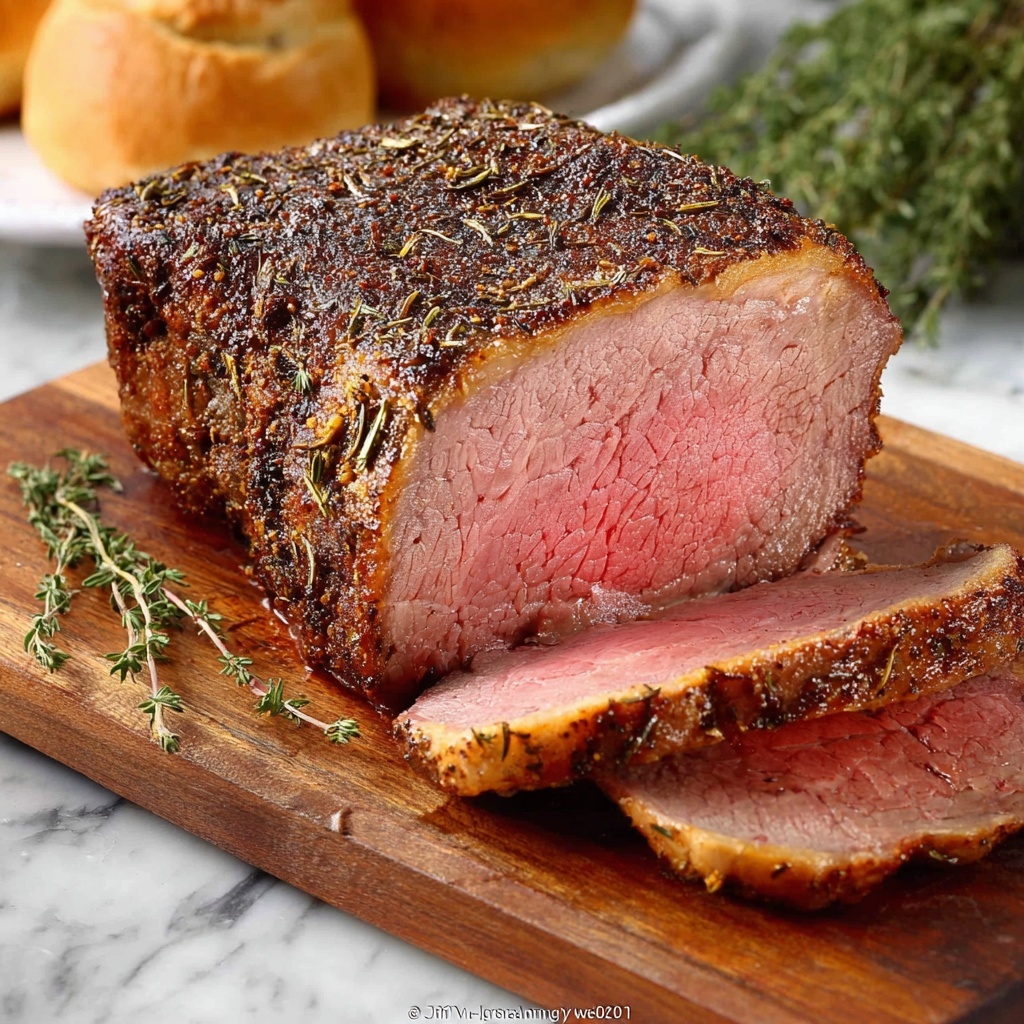
If you’re looking to impress your guests or simply treat yourself to a mouthwatering centerpiece, this Prime Rib Roast with Garlic, Rosemary, and Thyme Recipe is a foolproof classic that delivers rich flavors and a succulent texture every time. The combination of fragrant herbs and garlic melds beautifully with the natural juiciness of the prime rib, creating a roast that’s not only tender and flavorful but also has that perfect crust that everyone dreams of. Whether for a holiday feast or a special weekend dinner, this recipe will become your go-to for an unforgettable roast.
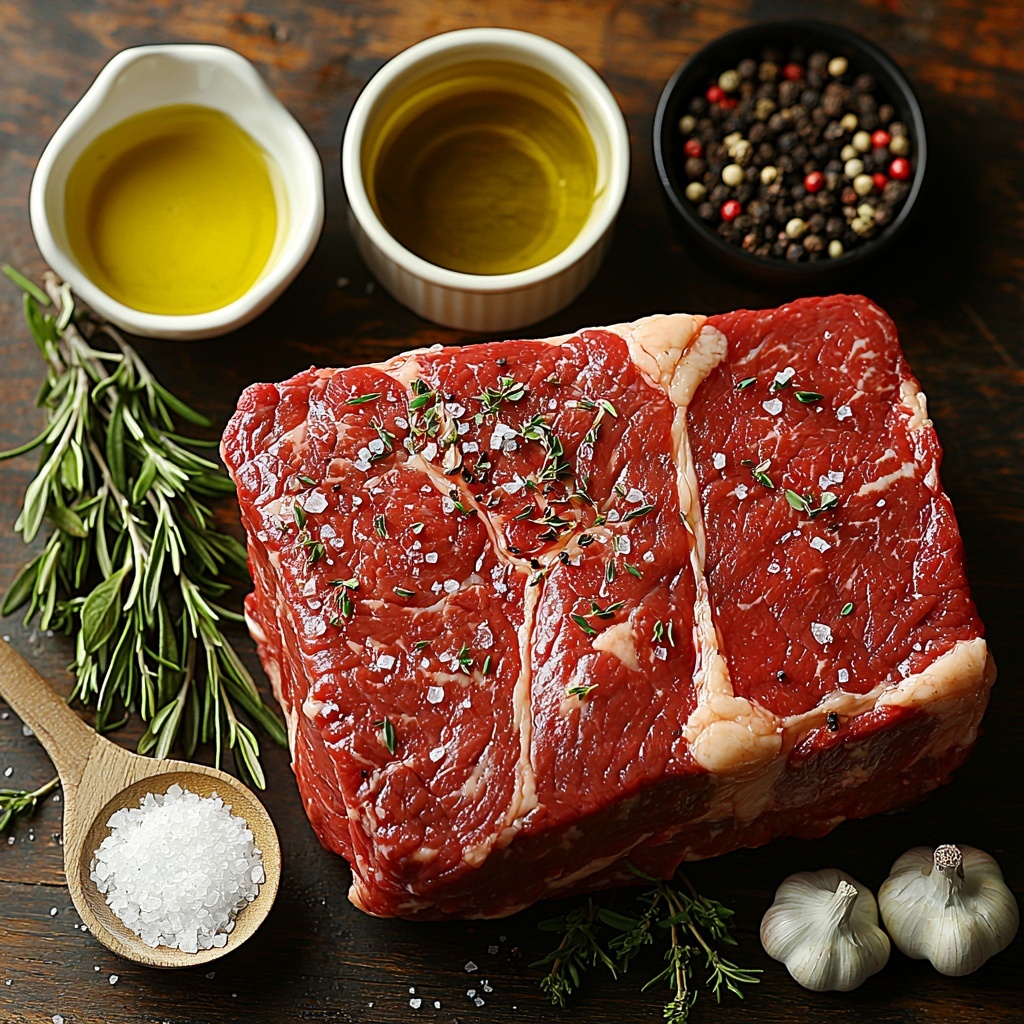
Ingredients You’ll Need
These ingredients are simple yet indispensable; each one plays a vital role in building the luscious taste and texture of this prime rib roast. With just a handful of fresh herbs and pantry staples, you’ll bring out the full potential of the beef.
- 5 to 7 pounds prime rib (3 ribs): The star of the dish—choose well-marbled beef for rich flavor and tenderness.
- 2 tablespoons vegetable oil (or olive oil): Helps to bind the seasonings and promotes a beautifully browned crust.
- 4 cloves garlic (minced): Brings an irresistible aromatic punch that complements the beef perfectly.
- 2 teaspoons kosher salt: Essential for enhancing the natural meat flavors and creating a savory crust.
- 1 tablespoon chopped fresh rosemary (or 1 teaspoon dried rosemary, crushed): Adds an earthy, piney note that pairs wonderfully with beef.
- 1½ teaspoons fresh thyme leaves (or ½ teaspoon dried thyme leaves): Offers a delicate herbal touch that brightens the roast.
- ¾ teaspoon black pepper: Provides a mild heat and depth that rounds out the seasoning mix.
How to Make Prime Rib Roast with Garlic, Rosemary, and Thyme Recipe
Step 1: Bring the Roast to Room Temperature
Start by removing your prime rib from the refrigerator and letting it sit at room temperature for two hours. This step ensures that the roast cooks evenly throughout, so the center won’t come out cold and underdone while the outside is overcooked. It’s worth the wait!
Step 2: Preheat the Oven
Set your oven to a high temperature of 475°F. This initial blast of heat helps create the sought-after crust on the roast, locking in the juiciness and flavor.
Step 3: Prepare the Bones if Attached
If your prime rib has bones still attached, place it bone side up on a cutting board. With a sharp knife, carefully cut along the bones to separate them from the meat while staying as close to the bones as possible. This might seem tricky, but it allows you to cook the bones alongside the roast for extra flavor and to use them as a natural rack.
Step 4: Tie the Roast
Set the roast back onto the bones, then use kitchen twine to tie everything securely together. This ensures the bones stay snug against the meat while cooking, helping it maintain shape and even cooking. Then, lightly score the fat with 1-inch spaced cuts about ⅛ inch deep—this technique helps render the fat for that perfect crispy layer.
Step 5: Make the Seasoning Mixture
In a small bowl, whisk together the vegetable oil, minced garlic, kosher salt, rosemary, thyme, and black pepper. This savory blend is going to impart incredible flavor that penetrates the meat’s surface, making every bite sing.
Step 6: Season the Roast
Pat your roast dry with paper towels to remove moisture, which is key to achieving a good crust. Rub the seasoning mixture all over the meat, coating every surface evenly. Place the roast fat-side up in a large roasting pan. If your roast is boneless, put it on a roasting rack instead. Insert a digital meat thermometer into the center of the roast, making sure it’s not touching any bone for an accurate reading.
Step 7: Roast with Dual Temperatures
Put the roasting pan in the oven and let the prime rib cook uncovered at 475°F for 15 minutes. Then, without opening the oven door or removing the roast, reduce the temperature to 300°F. Continue cooking until the internal temperature reaches 120°F. Depending on the size of your roast, this usually takes about 90 minutes, but the thermometer is your best guide.
Step 8: Rest the Roast
Once the roast hits the target temperature, remove it from the oven and tent it with aluminum foil to keep it warm. Let it rest for 20 to 30 minutes—this allows the juices to redistribute throughout the meat, resulting in a tender, juicy roast. The temperature will rise slightly during this time to about 125 to 130°F, perfect for a medium-rare finish.
Step 9: Carve and Serve
Use kitchen scissors to cut the twine and carefully separate the roast from the bones. Place the prime rib on a cutting board and carve it into ¾-inch thick slices. These gorgeous, thick-cut portions are just waiting for you to dig in.
How to Serve Prime Rib Roast with Garlic, Rosemary, and Thyme Recipe
Garnishes
A sprinkle of fresh chopped parsley or a few sprigs of rosemary makes a stunning visual and aromatic garnish. For an elegant touch, a dollop of horseradish cream on the side offers a tangy kick that complements the savory roast beautifully.
Side Dishes
Classic sides like creamy mashed potatoes or roasted root vegetables pair wonderfully with this prime rib. Yorkshire pudding or a fresh green salad can also balance the richness of the meat, making your meal feel well-rounded and festive.
Creative Ways to Present
Set the sliced prime rib on a large wooden board with the bones arranged artistically alongside for a rustic, inviting presentation. You can also fan out the slices on a platter and drizzle some pan juices or au jus over the top for extra flavor and moisture.
Make Ahead and Storage
Storing Leftovers
Wrap leftover prime rib tightly with plastic wrap or place it in an airtight container and refrigerate for up to four days. Keeping it well covered prevents the meat from drying out and preserves its delicious flavor.
Freezing
If you want to save some for later, wrap the cooled roast tightly in foil and then in plastic wrap before freezing. Properly stored, it will keep well for up to three months without losing its quality.
Reheating
The best way to reheat prime rib is gently and slowly in a low oven at about 250°F, wrapped in foil to retain moisture. Heat until warmed through but avoid overheating, which can make the meat tough. Alternatively, thick slices can be warmed briefly in a skillet over low heat with a splash of beef broth.
FAQs
Can I use dried herbs instead of fresh for this recipe?
Yes, you can substitute dried rosemary and thyme if that’s what you have on hand. Use about one-third of the amount of fresh herbs since dried herbs are more concentrated in flavor.
How do I know when the prime rib is done?
The most reliable method is to use a digital meat thermometer. For medium-rare, aim for an internal temperature of around 125 to 130°F after resting. Cooking times vary with roast size, so thermometer readings are key.
Should I cover the roast while cooking?
No need to cover the roast when it’s in the oven; cooking it uncovered promotes that beautiful, flavorful crust. Just tent with foil during resting to keep it warm and moist.
Can I cook a boneless prime rib for this recipe?
Absolutely. The cooking method is very similar. Just place the boneless roast on a rack inside your roasting pan to allow air circulation and even cooking.
Is it necessary to tie the bones to the meat?
While not absolutely required, tying the bones ensures they stay snug against the roast for even cooking and makes for a nicer presentation after slicing.
Final Thoughts
I hope this Prime Rib Roast with Garlic, Rosemary, and Thyme Recipe inspires you to create a truly special meal that brings warmth and joy to your table. It’s a dish that rewards your patience and care with every tender, flavorful slice. Dive in and savor the magic of a classic roast done perfectly—you absolutely deserve it!
Print
Prime Rib Roast with Garlic, Rosemary, and Thyme Recipe
- Prep Time: 140 minutes
- Cook Time: 90 minutes
- Total Time: 230 minutes
- Yield: 8 to 8 servings
- Category: Main Course
- Method: Roasting
- Cuisine: American
Description
This classic Prime Rib recipe delivers a succulent, flavorful roast perfect for special occasions or holiday meals. Featuring a robust herb and garlic crust, the prime rib is slow-roasted to tender perfection with a beautifully browned exterior and a juicy, medium-rare center. The method includes removing the ribs, tying them back to form a natural rack, and careful temperature control to achieve optimal doneness.
Ingredients
Prime Rib
- 5 to 7 pounds prime rib (3 ribs)
- 2 tablespoons vegetable oil or olive oil
- 4 cloves garlic, minced
- 2 teaspoons kosher salt
- 1 tablespoon fresh rosemary, chopped (or 1 teaspoon dried rosemary, crushed)
- 1½ teaspoons fresh thyme leaves (or ½ teaspoon dried thyme leaves)
- ¾ teaspoon black pepper
Instructions
- Rest the Roast: Remove the prime rib from the refrigerator and allow it to come to room temperature for 2 hours, ensuring even cooking throughout.
- Preheat Oven: Set your oven to preheat at 475°F (246°C) to create a hot initial roasting environment for the perfect crust.
- Remove Bones: If your prime rib has ribs attached, lay it bone side up on a cutting board. Carefully cut along the bones using a sharp knife to remove them while keeping as close to the bones as possible.
- Tie Bones to Roast: Position the roast back on top of the bones where removed, then tie the bones securely to the meat with kitchen twine to form a natural roasting rack. Score the fat cap at 1-inch intervals about 1/8-inch deep to help render fat.
- Prepare Seasoning: In a small bowl, combine the vegetable oil, minced garlic, kosher salt, rosemary, thyme, and black pepper. Stir well to make a savory herb paste.
- Season the Roast: Pat the roast dry using paper towels. Rub the seasoning mixture all over the roast evenly, coating every surface.
- Arrange for Roasting: Place the roast fat-side up in a large roasting pan. If bones remain attached, they act as a natural rack; otherwise, use a rack in the pan. Insert a digital meat thermometer probe into the thickest part of the meat, avoiding contact with bones.
- Initial High-Heat Roast: Roast the prime rib uncovered at 475°F for 15 minutes to develop a crispy crust.
- Lower Oven Temperature and Continue Roasting: Without opening the oven door, reduce the temperature to 300°F and roast until the internal temperature reaches 120°F for medium-rare doneness, about 75 more minutes depending on the size.
- Rest the Meat: Remove the roast from the oven and tent loosely with aluminum foil. Let it rest for 20 to 30 minutes, allowing the internal temperature to rise gently to 125–130°F, perfect for medium-rare.
- Carve and Serve: Use kitchen scissors to cut the twine and remove the bones. Place the roast on a cutting board and slice into ¾-inch thick pieces for serving.
Notes
- Letting the roast rest at room temperature for 2 hours prior to cooking ensures even roasting.
- Cooking times vary based on the size of the roast; check internal temperature regularly.
- The resting period after roasting allows juices to redistribute, locking in moisture and enhancing tenderness.
- Adjust final doneness by monitoring temperature: 120°F for rare, 125–130°F for medium-rare, 135°F for medium.
- Use a digital meat thermometer for precise temperature readings.