

If you’re searching for a soulful, wholesome meal that feels like a warm hug in a bowl, then you’ve come to the right place. Comforting Kitchari: Your Go-To Ayurvedic Comfort Bowl Recipe perfectly combines simple ingredients into a nourishing dish prized for centuries in Ayurveda. This balanced blend of mung beans and rice, gently spiced and cooked to creamy perfection, is not only easy on your digestion but also deeply satisfying. Whether you’re easing into a detox or just craving something cozy and wholesome, this recipe will quickly become a staple in your kitchen.
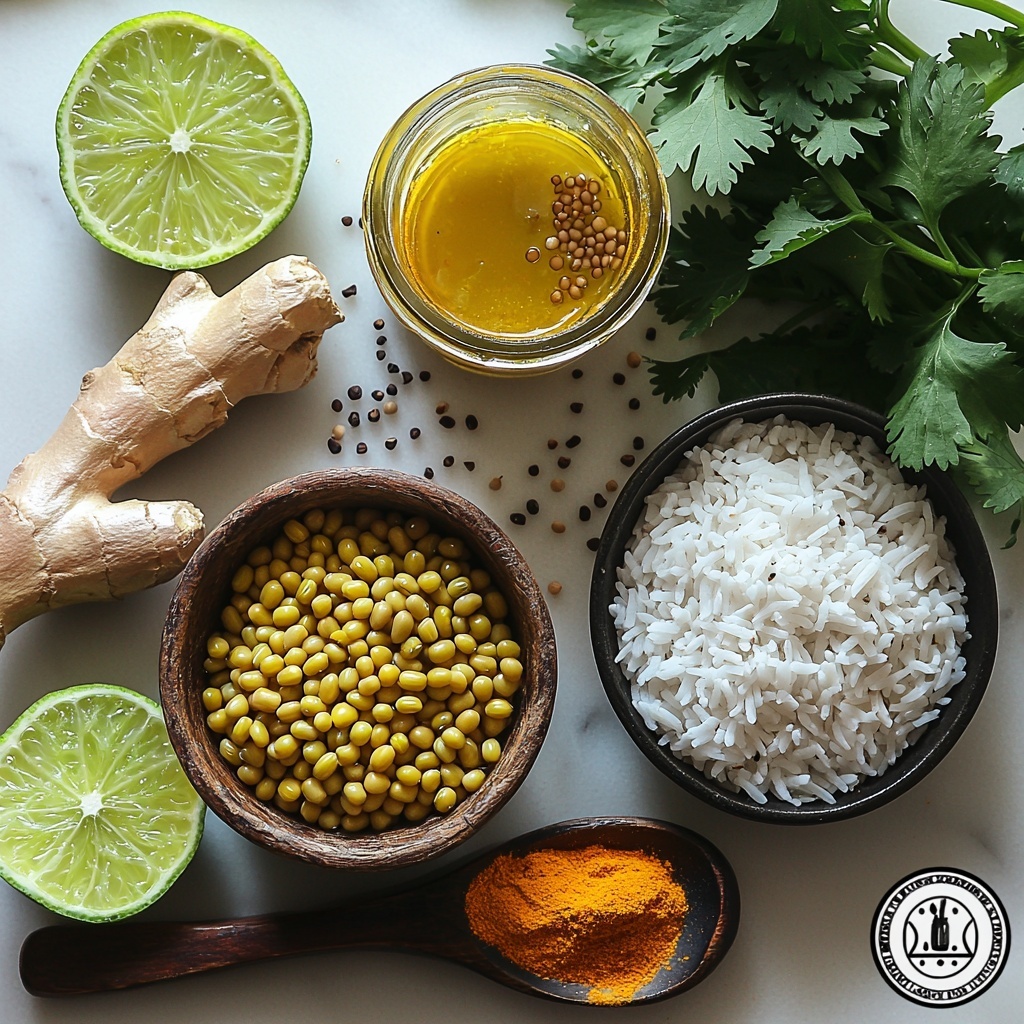
Ingredients You’ll Need
The beauty of this Comforting Kitchari: Your Go-To Ayurvedic Comfort Bowl Recipe is its simplicity. Each ingredient plays a vital role in flavor, texture, or health benefits, making it both straightforward to prepare and deeply nourishing.
- 1 cup Yellow Split Mung Beans (Moong Dal): Provides protein and fiber; substitute with other lentils for different textures.
- 1 cup Basmati Rice: Main starch component; use jasmine rice, brown rice, or quinoa if preferred.
- 4 cups Water: Acts as the cooking liquid; vegetable broth can enhance flavor.
- 2 tablespoons Ghee or Oil: Adds richness; for a vegan option, switch to coconut oil or avocado oil.
- 1 teaspoon Cumin Seeds: Enhance flavor and aid digestion; ground cumin works as a substitute if needed.
- 1 tablespoon Fresh or Ground Ginger: Provides warmth and spice; fresh ginger offers better flavor, but ground ginger is convenient.
- ½ teaspoon Turmeric: Adds a vibrant color and anti-inflammatory properties.
- Sea Salt and Black Pepper to taste: Adjust seasoning before serving.
- ¼ cup Cilantro (for garnish): Adds freshness and color; optional but highly recommended for presentation.
- 2 slices Lime or Lemon: Introduces acidity to balance the flavors beautifully.
How to Make Comforting Kitchari: Your Go-To Ayurvedic Comfort Bowl Recipe
Step 1: Rinse and Prep the Ingredients
First things first, rinse the yellow split mung beans and basmati rice thoroughly under cold water until the water runs clear. This helps wash away excess starch and any impurities, ensuring a clean and fluffy result. Set them aside while you prepare your spices and aromatics.
Step 2: Toast the Cumin Seeds and Sauté Ginger
In a large pot, heat your ghee or chosen oil over medium heat. Add the cumin seeds and allow them to sizzle and release their wonderful aroma—this step really wakes up the flavor profile. Next, toss in the fresh or ground ginger, sautéing for about a minute until fragrant and slightly golden.
Step 3: Add the Rice, Beans, Turmeric, and Water
Now stir the rinsed mung beans and rice into the pot, coating them lightly with the spiced oil. Sprinkle in the turmeric along with some sea salt and pepper. Pour in the water (or broth if using) and bring everything to a gentle boil. The turmeric gives kitchari its beautiful golden hue and packs powerful anti-inflammatory benefits you’ll love.
Step 4: Simmer Until Creamy and Tender
Reduce the heat to low and cover the pot. Let the kitchari simmer gently for about 25 to 30 minutes, stirring occasionally to prevent sticking. You want the beans and rice to become soft and meld into a creamy, porridge-like texture—the ultimate comfort food consistency.
Step 5: Adjust Seasonings and Finish
Before plating, taste and adjust the sea salt and pepper as needed. The dish should be mildly spiced and mellow with a hint of warmth. Finally, squeeze a slice of lime or lemon over the top to add a bright contrast that lifts the whole bowl beautifully.
How to Serve Comforting Kitchari: Your Go-To Ayurvedic Comfort Bowl Recipe
Garnishes
Don’t underestimate the power of fresh garnishes! Sprinkle chopped cilantro generously over each serving to add a fresh burst of color and brightness. A wedge of lime on the side invites your guests to add a refreshing tang as they wish.
Side Dishes
This bowl is wonderfully versatile and pairs well with simple, cooling sides like cucumber raita, steamed greens, or lightly sautéed seasonal vegetables. These sides add crunch and complement the soft creaminess of the kitchari perfectly.
Creative Ways to Present
For a fun twist, serve your Comforting Kitchari: Your Go-To Ayurvedic Comfort Bowl Recipe in individual small bowls topped with a drizzle of coconut yogurt or a sprinkle of toasted nuts for some texture contrast. You can also layer it with sautéed mushrooms or roasted chickpeas for more protein and flavor complexity.
Make Ahead and Storage
Storing Leftovers
Leftover kitchari stores beautifully in an airtight container in the refrigerator for up to 4 days. The flavors deepen, making it even more comforting when reheated the next day.
Freezing
If you want to keep this staple on hand longer, kitchari freezes well. Portion it into freezer-safe containers and it will keep in the freezer for up to 3 months. Thaw overnight in the fridge before reheating.
Reheating
To reheat, warm your kitchari gently on the stove with a splash of water or broth to loosen its creamy texture. Stir frequently until heated through. Avoid microwave reheating if you want to preserve the best texture, but it works in a pinch!
FAQs
Can I use brown rice instead of basmati rice?
Absolutely! Brown rice will give your kitchari a nuttier flavor and chewier texture. Just remember it might require a longer cooking time to become tender.
Is this recipe vegan?
You can easily make Comforting Kitchari: Your Go-To Ayurvedic Comfort Bowl Recipe vegan by swapping ghee for coconut oil or avocado oil. The rest of the ingredients are plant-based.
What are the health benefits of kitchari?
Kitchari is known in Ayurveda as a healing, detoxifying dish that’s gentle on digestion while providing balanced nutrition from protein, carbs, and spices that reduce inflammation.
Can I add vegetables to the recipe?
Yes, adding soft vegetables like zucchini, spinach, or carrots during the last 10 minutes of cooking can boost nutrition and add color. Just be mindful of cooking times so everything stays tender.
How spicy is this dish?
This recipe has a gentle warmth from ginger and cumin but is not spicy hot. It’s designed to be soothing and easy on the stomach, but you can always adjust spices to your liking.
Final Thoughts
I truly hope this Comforting Kitchari: Your Go-To Ayurvedic Comfort Bowl Recipe becomes one of your cherished go-to meals. It’s the perfect dish to nourish your body and soul, offering simplicity, comfort, and depth all at once. Give it a try anytime you need a little extra loving care from your kitchen!
Print
Comforting Kitchari: Your Go-To Ayurvedic Comfort Bowl Recipe
- Prep Time: 20 minutes
- Cook Time: 30 minutes
- Total Time: 50 minutes
- Yield: 4 bowls
- Category: Main Dish
- Method: Stovetop
- Cuisine: Ayurvedic, Indian
- Diet: Gluten Free
Description
Comforting Kitchari is a traditional Ayurvedic dish known for its simplicity, warmth, and nourishing properties. This protein-packed bowl made with yellow mung beans and basmati rice is gently spiced with cumin, ginger, and turmeric, making it perfect as a detoxifying, easily digestible meal. It serves as a wholesome comfort food suitable for balancing the body and mind while offering soothing flavors and hearty nutrition.
Ingredients
Main Ingredients
- 1 cup Yellow Split Mung Beans (Moong Dal)
- 1 cup Basmati Rice
- 4 cups Water
Flavorings and Seasonings
- 2 tablespoons Ghee or Oil (Use coconut oil or avocado oil for vegan option)
- 1 teaspoon Cumin Seeds
- 1 tablespoon Fresh or Ground Ginger
- ½ teaspoon Turmeric
- Sea Salt and Black Pepper, to taste
Garnish
- ¼ cup Cilantro, chopped
- 2 slices Lime or Lemon
Instructions
- Prepare the Ingredients: Rinse the yellow split mung beans and basmati rice thoroughly under cold water until the water runs clear. This removes excess starch and ensures a better texture.
- Sauté the Spices: In a large pot, heat ghee or oil over medium heat. Add cumin seeds and let them sizzle for about 30 seconds until fragrant. Add fresh or ground ginger and sauté for another minute to release its warm aroma.
- Add Turmeric and Combine: Stir in the turmeric powder and then add the rinsed mung beans and rice to the pot. Mix well to coat the grains with the spiced oil mixture.
- Add Water and Cook: Pour in 4 cups of water. Bring the mixture to a boil, then reduce the heat to low. Cover the pot and simmer gently for about 30 minutes until the mung beans and rice are soft and well cooked, stirring occasionally to prevent sticking.
- Season and Adjust: Once cooked, season the kitchari with sea salt and black pepper to taste. Stir to combine all flavors evenly.
- Serve and Garnish: Ladle the warm kitchari into bowls. Garnish each serving with freshly chopped cilantro and a wedge or two of lime or lemon for a bright, acidic touch that balances the savory flavors.
Notes
- You can substitute basmati rice with jasmine rice, brown rice, or quinoa for different texture and nutritional profiles.
- For a vegan version, replace ghee with coconut oil or avocado oil.
- Adding vegetable broth instead of water can enrich the flavor.
- Adjust the amount of water if you prefer a soupier or thicker consistency.
- Kitchari is best enjoyed fresh but can be refrigerated and gently reheated for up to 3 days.