
If you’ve ever dreamed of mastering a sauce that can elevate any dish with its velvety richness and subtle tang, then you’re in for a treat. The Classic Beurre Blanc (French Butter Sauce) Recipe is the ultimate showstopper for seafood, poultry, and vegetables alike. This simple yet sophisticated sauce, rooted in French culinary tradition, balances the bright acidity of white wine and shallots with the luxurious creaminess of butter. It’s like the perfect culinary hug on your plate that ties all the flavors together in a warm, buttery embrace. Once you get the hang of it, this sauce will become your go-to whenever you want to add a touch of elegant indulgence to your meals.
Ingredients You’ll Need
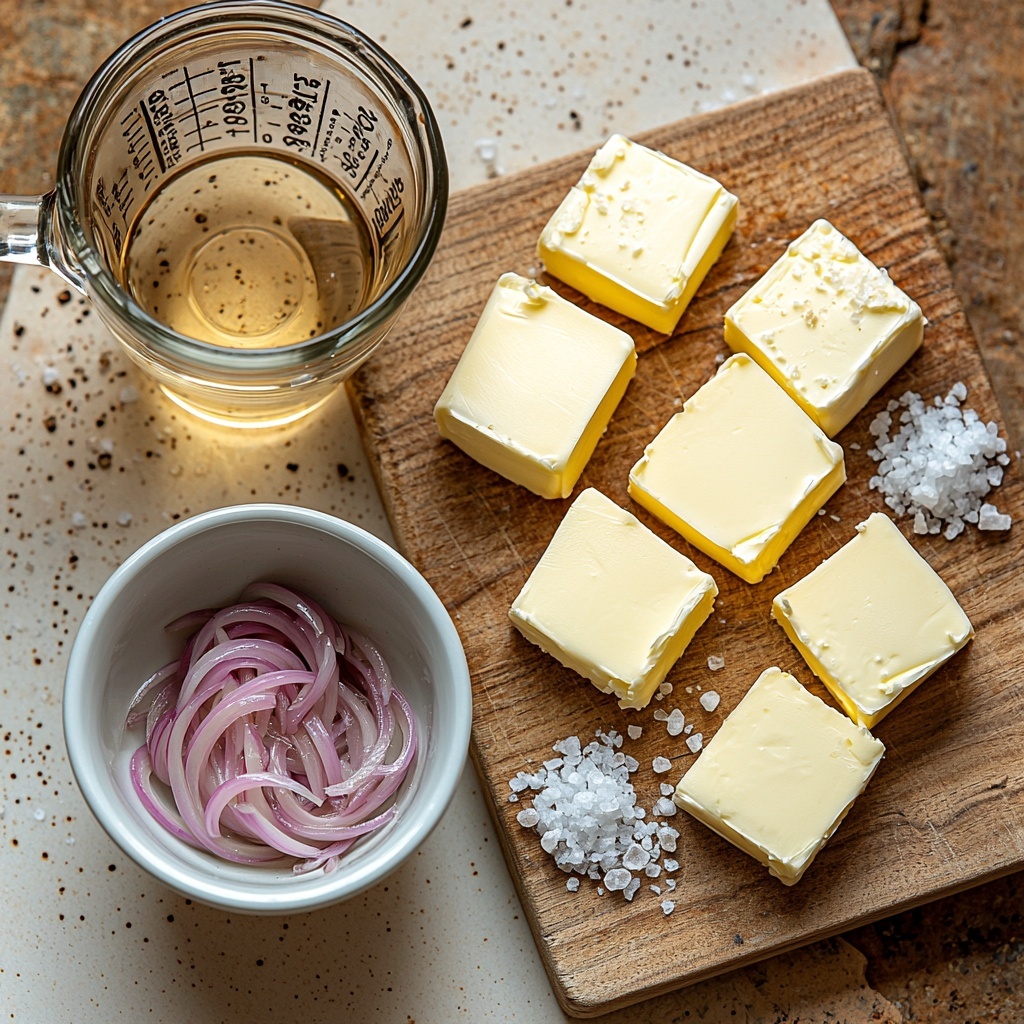
One of the best parts about this Classic Beurre Blanc (French Butter Sauce) Recipe is how straightforward the ingredient list is. Each component plays a crucial role, making the sauce shine with its distinctive layers of flavor, silky texture, and beautiful pale color.
- Shallot: About 1 large shallot, finely chopped (approximately ⅓ cup) provides a gentle onion flavor without overpowering the sauce.
- Dry white wine: 1 cup, which adds brightness and acidity, helping to balance the rich butter perfectly.
- Cold unsalted butter: 8 tablespoons, cut into small cubes—this is the heart of the sauce, lending its creamy texture and rich mouthfeel.
- Salt: To taste, vital for enhancing all the subtle flavors in the sauce.
- White pepper: To taste, chosen for its mild heat and to maintain the sauce’s classic pale appearance.
How to Make Classic Beurre Blanc (French Butter Sauce) Recipe
Step 1: Reduce Shallots and Wine
First things first, pop your finely chopped shallots and dry white wine into a small saucepan over medium heat. Bring it up to a boil, and then lower it to a gentle simmer. This reduction process is where the magic starts—by cooking down until just about 2 tablespoons of liquid remain, you concentrate those flavors into a lively, aromatic base for your sauce.
Step 2: Remove from Heat and Begin Adding Butter
Once that liquid has reduced nicely, take the saucepan off the heat. Now here’s the key to getting that luscious, silky texture: whisk in your cold butter, one cube at a time. Patience here is your friend. Let each piece fully melt and combine before adding more. This process forms the beautiful emulsion that makes beurre blanc so irresistible.
Step 3: Maintain Temperature While Emulsifying
If your sauce starts to cool down and the butter stops melting as smoothly, give it a brief return to very low heat, whisking constantly. Keep a close eye—it’s crucial not to let the sauce boil, as that can cause the delicate emulsion to break and your sauce to separate.
Step 4: Season and Strain
When all the butter has been incorporated and your sauce is rich and creamy, season with salt and white pepper to your liking. For an extra-smooth finish, strain the sauce through a fine mesh sieve, gently pressing on the shallots to extract their full flavor. Skipping this step gives you a rustic touch with little bits of shallot, which is equally charming depending on your style.
Step 5: Serve Immediately
This sauce is best enjoyed fresh off the stove. Since beurre blanc is delicate and prone to separating if reheated badly, it’s recommended to serve it right away with your dish.
How to Serve Classic Beurre Blanc (French Butter Sauce) Recipe
Garnishes
A sprinkle of fresh herbs like tarragon, chives, or parsley adds not only a splash of color but a wonderful aromatic lift that complements the buttery richness perfectly. A thin wedge of lemon on the side can brighten the palate and bring a fresh contrast to the sauce’s velvety texture.
Side Dishes
The Classic Beurre Blanc (French Butter Sauce) Recipe pairs wonderfully with lightly grilled or pan-seared fish such as salmon or halibut. It also plays beautifully alongside steamed or roasted vegetables like asparagus, green beans, or baby carrots. For a heartier meal, drizzle it over tender chicken breasts or even delicate scallops. Its versatility really shines across different protein and vegetable choices.
Creative Ways to Present
Try drizzling this sauce in artistic swirls around your plate for fine-dining flair. Or serve it in a small ramekin alongside your dish for a more interactive experience where guests can add as much or as little sauce as they prefer. Another fun idea is to use beurre blanc as a dipping sauce for crispy finger foods or steamed crustaceans—an unexpected twist that’s sure to impress.
Make Ahead and Storage
Storing Leftovers
Because this sauce is best served fresh, leftovers can be tricky, but you can store extra beurre blanc in an airtight container in the refrigerator for up to 2 days. Keep in mind that the sauce may thicken or separate slightly when cold.
Freezing
Freezing beurre blanc is not recommended due to its emulsion; the delicate blend of butter and wine tends to break apart upon thawing, losing that signature smooth texture.
Reheating
If you need to rewarm your sauce, do so very gently over the lowest possible heat while whisking constantly. Adding a small splash of cold water or white wine can help to revive the sauce’s consistency. However, be cautious to avoid boiling, as overheated beurre blanc can separate and become oily.
FAQs
Can I use a different type of wine for this sauce?
While dry white wine is traditional and recommended for its acidity and flavor profile, you could experiment with other dry wines like Sauvignon Blanc or even a light Chardonnay. Just avoid sweet wines to keep the classic balance.
What if I don’t have shallots? Can I substitute with onions?
Shallots bring a subtle, sweet onion flavor that is ideal here. If you must, finely minced sweet onions can work, but the flavor will be stronger and less refined, so use sparingly.
Why is it important to use cold butter?
Cold butter helps create the perfect emulsion by slowly melting and blending into the reduction. This keeps the sauce smooth and creamy rather than greasy or separated.
Can I make beurre blanc vegan or dairy-free?
The richness comes entirely from butter, so traditional beurre blanc isn’t dairy-free. For a vegan alternative, some chefs use coconut oil or vegan butter, but it won’t have the classic texture or flavor you expect from a beurre blanc sauce.
How do I prevent the sauce from separating?
Control the temperature carefully, whisk constantly, and never let the sauce boil once you begin adding butter. Adding butter slowly and patiently is key to maintaining a stable emulsion.
Final Thoughts
There’s something truly special about crafting the Classic Beurre Blanc (French Butter Sauce) Recipe at home. It’s a wonderful reminder that with just a handful of simple ingredients and a bit of care, you can create a sauce that transforms everyday meals into memorable feasts. I encourage you to give it a go—once you taste that rich, buttery hug on your plate, you’ll understand why it’s a timeless favorite in the world of French cuisine.
Print
Classic Beurre Blanc (French Butter Sauce) Recipe
- Prep Time: 5 minutes
- Cook Time: 15 minutes
- Total Time: 20 minutes
- Yield: 1 serving (about ½ cup sauce)
- Category: Sauce
- Method: Stovetop
- Cuisine: French
Description
Classic Beurre Blanc is a rich and velvety French butter sauce made by emulsifying cold butter into a reduced white wine and shallot base. Perfect for enhancing seafood, poultry, and vegetable dishes with its tangy and luxurious flavor.
Ingredients
Ingredients
- 1 large shallot, finely chopped (about ⅓ cup)
- 1 cup dry white wine
- 8 tablespoons cold unsalted butter, cut into small cubes
- Salt, to taste
- White pepper, to taste
Instructions
- Reduce Shallots and Wine: Place the chopped shallot and white wine in a small saucepan over medium heat. Bring to a boil, then reduce to a gentle simmer.
- Concentrate Flavor: Cook until the liquid has reduced to about 2 tablespoons, concentrating the flavor. Remove the saucepan from the heat.
- Emulsify Butter: Begin whisking in the cold butter, one piece at a time. Allow each piece to fully melt and emulsify before adding the next.
- Maintain Emulsion: If the sauce cools too much and the butter stops melting, briefly return the pan to very low heat, whisking constantly. Do not let the sauce boil, as this may cause it to separate.
- Season: Once all the butter is incorporated, season with salt and white pepper to taste.
- Strain Sauce: Strain the sauce through a fine mesh sieve, pressing gently on the shallots to extract all the liquid. This step is optional for a more rustic finish.
- Serve: Serve immediately with seafood, poultry, or vegetables. Beurre blanc should not be reheated.
Notes
- Use cold butter cut into small cubes to ensure proper emulsification and prevent the sauce from breaking.
- Do not let the sauce boil once butter is added, to avoid separation.
- Beurre blanc is best served fresh and should not be reheated as it may break.
- For a smoother texture, straining is recommended but optional.
- If unavailable, dry white wine substitutes can include dry vermouth or white wine vinegar diluted with water.