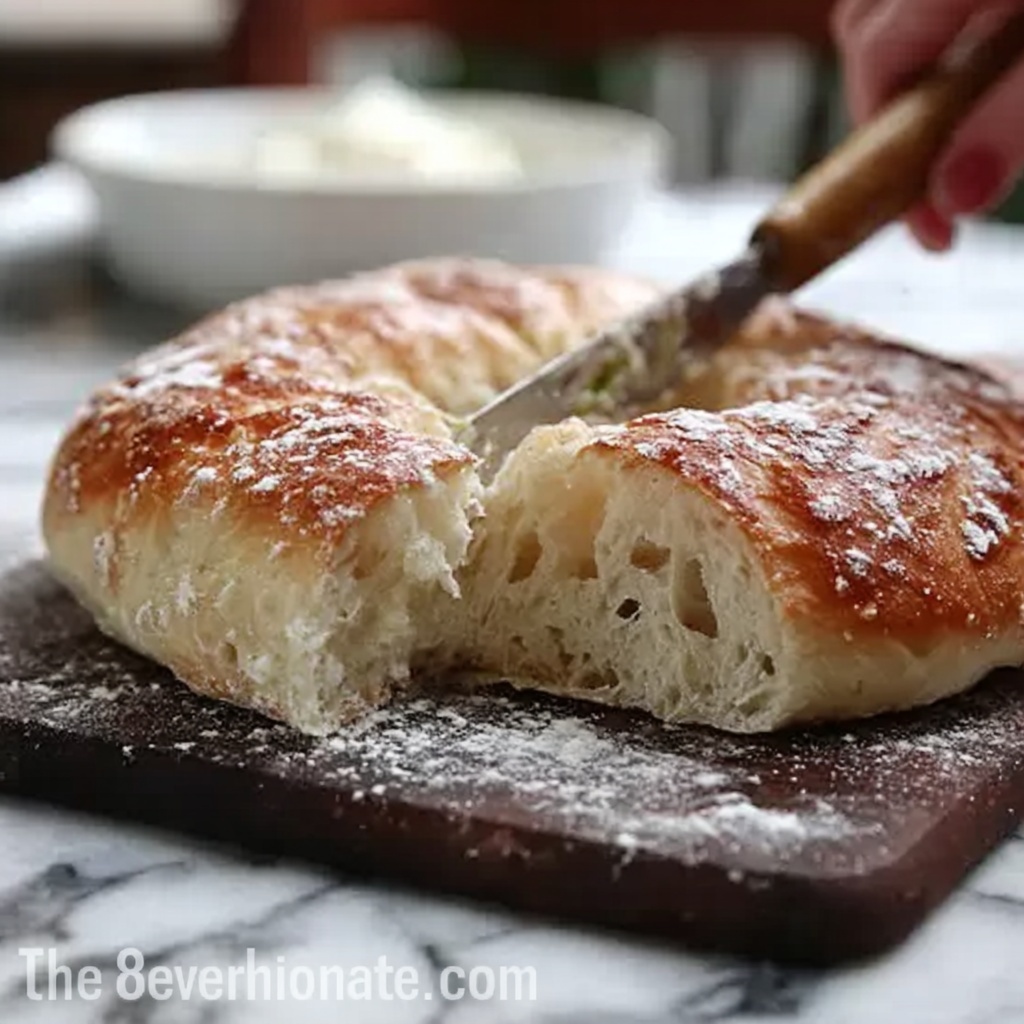
If you have ever dreamed of making pizza at home that rivals your favorite pizzeria, this Artisan Pizza Dough with Crispy, Chewy, Bubbly Crust Recipe is your golden ticket. It’s a pure joy to work with the dough as it transforms from sticky and shaggy into a beautifully elastic texture, promising that perfect balance of crunch and chew with every bite. And the bubbles? Oh, they’re the pièce de résistance, giving your crust that irresistible rustic look. This recipe is all about simple ingredients and patience, unlocking amazing flavor and texture that will have you making pizza night a weekly celebration.
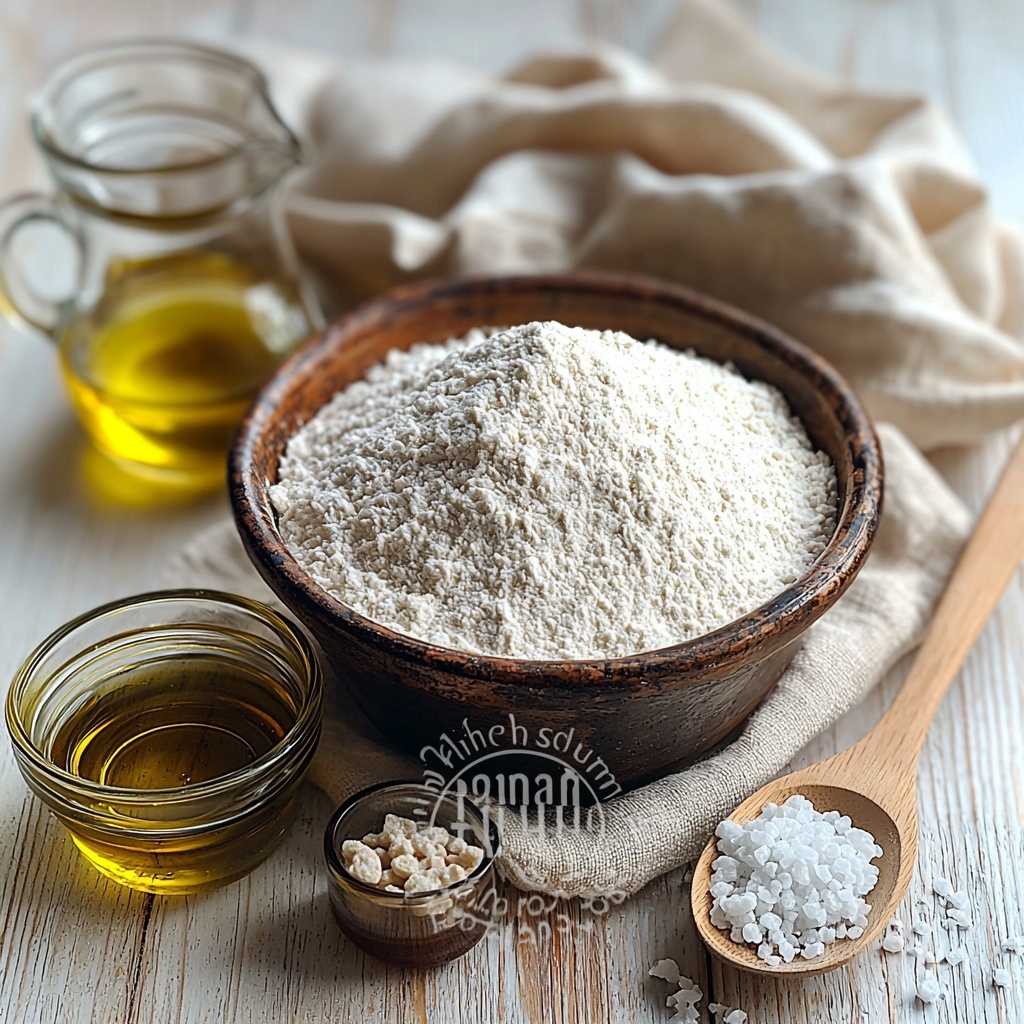
Ingredients You’ll Need
Getting the dough right starts with a handful of simple, straightforward ingredients—each selected to create the perfect texture, flavor, and color that defines an artisan crust.
- 500 grams (about 4 cups) bread flour: Bread flour’s higher protein content builds the structure for that chewy, airy crumb.
- 375 grams (1 1/2 cups plus 1 tablespoon) water, room temperature: Hydrates the flour, creating the hydration level that keeps the dough sticky and tender.
- 2 teaspoons fine sea salt: Enhances flavor and tightens gluten for a better dough texture without overpowering.
- 2 grams (1/2 teaspoon) instant yeast: Enough yeast to give a steady rise while developing great complexity during the slow fermentation.
- 1 tablespoon olive oil (for coating): Keeps the dough moist and adds a subtle richness that improves browning during baking.
How to Make Artisan Pizza Dough with Crispy, Chewy, Bubbly Crust Recipe
Step 1: Mix the Dough
Start by combining the bread flour and yeast in a large bowl. Gradually pour in the water, mixing carefully. Expect a sticky, shaggy dough; this hydration is key for that bubbly texture we are aiming for, so resist the urge to add more flour at this stage. Let the magic begin here.
Step 2: Autolyse
Cover your dough with a damp towel and let it rest for 30 minutes. This step allows the flour to fully absorb the water, kickstarting gluten development and improving dough extensibility. It’s a simple pause that makes a massive difference in texture.
Step 3: Add Salt
Sprinkle the fine sea salt over the dough, then fold and press it over itself repeatedly until the dough feels smooth and elastic. Salt not only flavors the dough but also tightens the gluten network giving the final crust that satisfying chew.
Step 4: First Rise
Cover your dough again and let it rise at room temperature for 2 to 3 hours, until it doubles in size. During this time, the yeast consumes sugars and creates gas, which introduces those beautiful bubbles and lifts your dough to airy perfection.
Step 5: Stretch and Fold
Every 30 minutes during the first rise, reach in and gently stretch and fold the dough onto itself. This action strengthens the gluten network, traps more air inside, and prevents the dough from becoming too slack or flat.
Step 6: Cold Fermentation
After the initial rise, refrigerate the covered dough for anywhere from 24 to 72 hours. This slow fermentation develops a richer, more complex flavor, making your pizza crust anything but ordinary.
Step 7: Shape the Dough
Once you’re ready to bake, let the dough come back to room temperature, then divide it into portions and gently shape each into tight balls. Let them rest for 30 minutes uncovered; this resting period relaxes the gluten so the dough stretches beautifully without snapping back.
Step 8: Preheat Oven
Preheat your oven to 500°F or higher, placing a pizza stone or steel on the rack so it’s scorching hot. This step is crucial to mimic the intense bottom heat of a pizza oven, giving your crust that crispy base that contrasts wonderfully with the chewy interior.
Step 9: Stretch and Bake
Stretch each dough ball into a pizza shape, carefully adding your favorite toppings. Transfer to the preheated stone and bake for 7 to 10 minutes. Look for a crust that’s bubbly and golden with spots of caramelized deliciousness—the hallmark of a truly great artisan pizza crust.
How to Serve Artisan Pizza Dough with Crispy, Chewy, Bubbly Crust Recipe
Garnishes
Once your pizza emerges hot from the oven, add fresh touches like a handful of fresh basil leaves, a drizzle of good-quality olive oil, or a sprinkle of flaky sea salt to brighten and elevate every bite. These little finishing gems enhance the crust’s flavor without masking it.
Side Dishes
Serve your pizza alongside a crisp, peppery arugula salad tossed with lemon vinaigrette or roasted garlic and herb mushrooms. These sides complement the hearty crust with fresh, vibrant flavors or earthy richness, rounding out your meal perfectly.
Creative Ways to Present
Looking to impress? Cut the pizza into rustic, uneven slices and serve family-style on wooden boards. Or try mini personal pizzas baked on the same dough for individual servings at casual gatherings. The bubbly crust makes every bite a delightful explosion of texture that everyone will talk about!
Make Ahead and Storage
Storing Leftovers
Wrap your leftover pizza tightly in plastic wrap or tuck it into an airtight container and store it in the refrigerator for 3 to 4 days. This keeps the crust from drying out while preserving the chewy-crispy contrast you love.
Freezing
If you want to save some for later, freeze your leftover pizza in airtight containers or heavy-duty freezer bags. Frozen pizza will keep well for up to 1 month, letting you enjoy that perfect artisan crust whenever the craving hits.
Reheating
Reheat your leftover pizza in a hot oven (around 375°F) or on a skillet over medium heat to revive that crust’s crispness without drying it out. Avoid microwaving, as it tends to make the chewy, bubbly crust soggy rather than delightful.
FAQs
Can I use all-purpose flour instead of bread flour?
While all-purpose flour can work in a pinch, bread flour is preferred because its higher protein content helps create the gluten network needed for that chewy, bubbly crust. Using all-purpose may yield a slightly softer, less airy texture.
Why is the dough sticky? Should I add more flour?
The dough’s sticky, shaggy texture is intentional here. It indicates a high hydration level, which is essential for bubbles and chew. Resist adding more flour during mixing—it will make your dough tough and dense.
How important is the cold fermentation step?
Cold fermentation is a game-changer for flavor development. It slows down yeast activity, allowing complex, tangy flavors to develop naturally. Skipping this step often results in a less flavorful dough.
Can I make this dough without a pizza stone or steel?
Absolutely! While a pizza stone or steel helps achieve a crispy bottom, you can bake on a well-oiled baking sheet or sheet pan. Just preheat the oven thoroughly and bake your pizza on the lowest rack to get the best crust possible.
What toppings work best with this artisan pizza dough?
This dough is incredibly versatile! Classic toppings like fresh mozzarella, tomato sauce, basil, and pepperoni shine, but feel free to get creative with roasted vegetables, gourmet cheeses, or even fig and prosciutto. The crispy, chewy crust pairs beautifully with almost anything.
Final Thoughts
There’s something truly special about making pizza from scratch, and this Artisan Pizza Dough with Crispy, Chewy, Bubbly Crust Recipe delivers every time. With just a handful of simple ingredients, some patience, and love, you’ll achieve a crust that sings with texture and flavor. So grab your flour, warm up your oven, and get ready to impress yourself and everyone at your table. Your new favorite pizza night starts here!
Print
Artisan Pizza Dough with Crispy, Chewy, Bubbly Crust Recipe
- Prep Time: 15 minutes
- Cook Time: 10 minutes
- Total Time: 3 hours 25 minutes (plus 24 to 72 hours cold fermentation)
- Yield: 2 servings (2 medium pizzas)
- Category: Bread/Dough
- Method: Baking
- Cuisine: Italian
Description
This Artisan Pizza Dough recipe yields a crispy, chewy, and bubbly crust perfect for homemade pizza lovers. The dough combines bread flour, water, and instant yeast, followed by an autolyse period, salt incorporation, a slow room temperature rise, and a cold fermentation to develop flavor and texture. Baking on a preheated pizza stone at a high temperature ensures a beautifully blistered crust.
Ingredients
Dough Ingredients
- 500 grams (about 4 cups) bread flour
- 375 grams (1 1/2 cups plus 1 tablespoon) water, room temperature
- 2 teaspoons fine sea salt
- 2 grams (1/2 teaspoon) instant yeast
- 1 tablespoon olive oil (for coating)
Instructions
- Mix the Dough: In a large bowl, combine the bread flour and instant yeast. Gradually add the room-temperature water, mixing until no dry flour remains and the dough feels sticky and shaggy.
- Autolyse: Cover the dough with a damp towel and let it rest for 30 minutes to hydrate the flour fully and improve gluten development.
- Add Salt: Sprinkle the salt evenly over the dough. Fold the dough over itself repeatedly until it becomes smooth and elastic.
- First Rise: Cover the bowl and let the dough rise at room temperature for 2 to 3 hours until it doubles in size.
- Stretch and Fold: During the first rise, perform stretch and folds every 30 minutes to strengthen the gluten network and improve dough structure.
- Cold Fermentation: After the initial rise, cover the dough tightly and refrigerate it for 24 to 72 hours. This slow fermentation enhances flavor and texture.
- Shape the Dough: Remove the dough from the refrigerator and let it come to room temperature. Divide it into portions, shape each into a tight ball, and rest for 30 minutes to relax the gluten.
- Preheat Oven: Preheat your oven to 500°F (or higher if possible) with a pizza stone or steel inside to ensure a hot baking surface.
- Stretch and Bake: Stretch each dough ball into a pizza shape by hand, add your favorite toppings, and bake the pizza on the preheated stone for 7 to 10 minutes until the crust is bubbly, golden, and slightly blistered.
Notes
- Using bread flour increases gluten content, resulting in a chewier crust.
- Cold fermentation can be extended up to 72 hours for deeper flavor development.
- The dough should be sticky but manageable; avoid adding too much extra flour during mixing or shaping.
- Preheating the pizza stone or steel is essential for achieving a crispy bottom crust.
- If you don’t have a pizza stone, use a heavy baking sheet turned upside down and preheated in the oven.
- Allow the dough to come to room temperature before shaping for easier handling and better oven spring.