
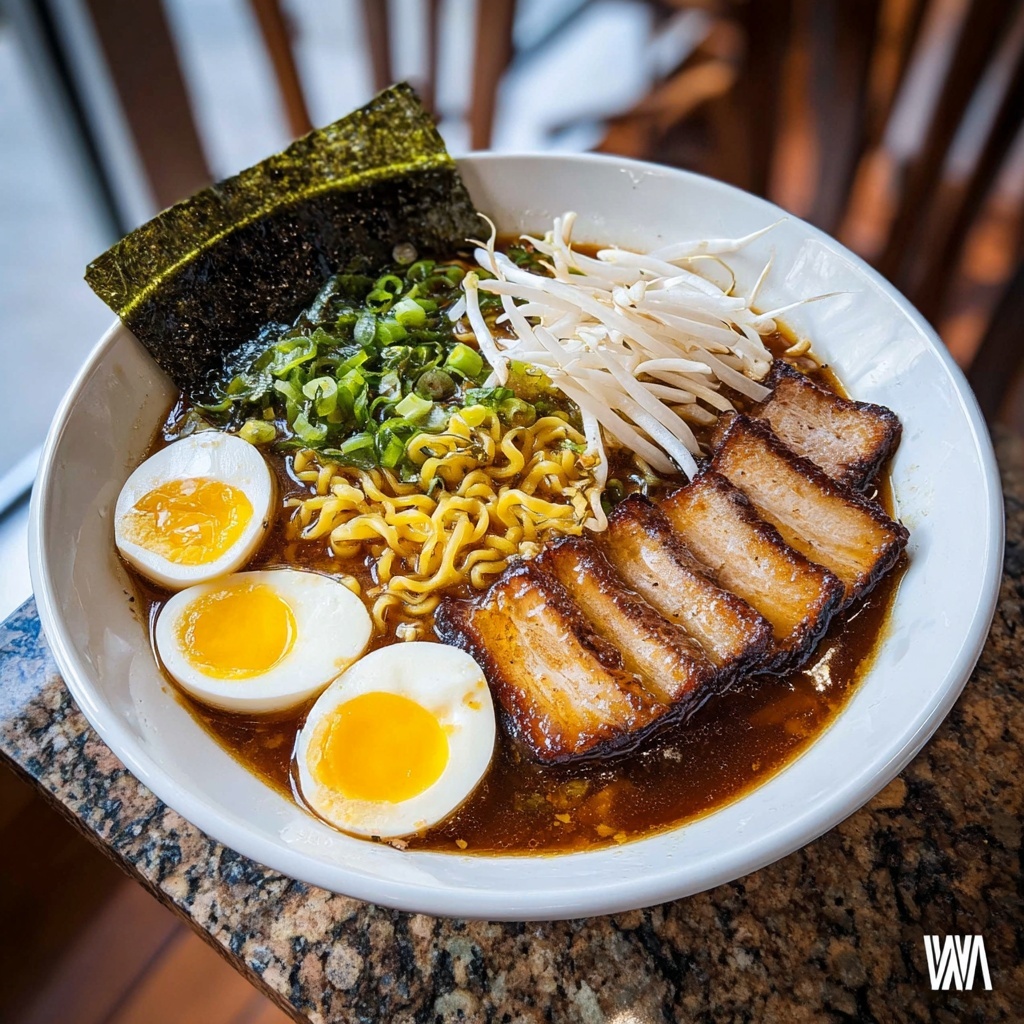
If you’ve ever longed for a deeply satisfying bowl of traditional Japanese comfort food, this Shoyu Ramen Recipe is exactly what you need to try next. This dish brings together a perfectly balanced, savory soy-based broth with rich layers of flavor from kombu and mirin, paired with tender noodles and just the right toppings that make each bite a warm hug from the inside. Whether you’re a ramen novice or a seasoned fan, this recipe promises a home-cooked experience that’s both authentic and incredibly rewarding.
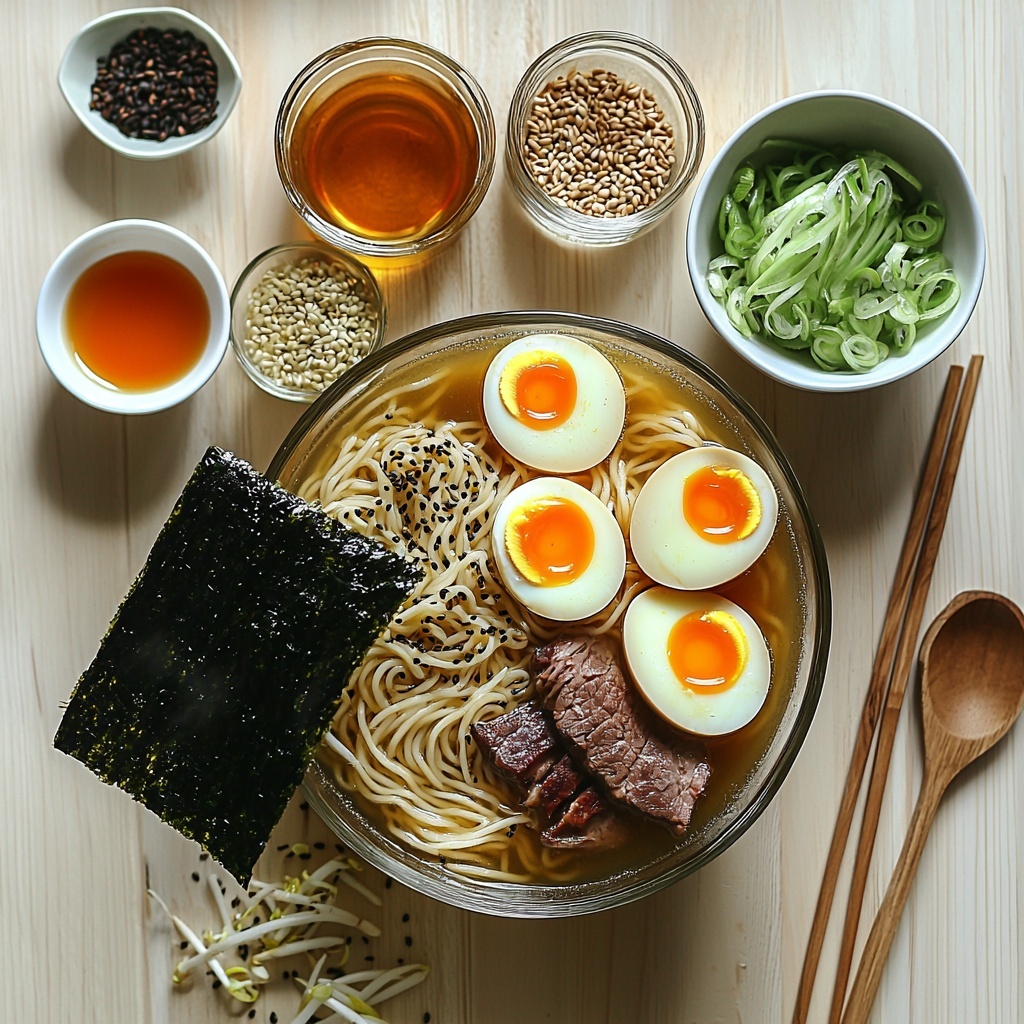
Ingredients You’ll Need
The magic of this Shoyu Ramen Recipe lies in its simplicity and well-chosen ingredients. Each one plays a vital role in building that signature umami-packed broth, tender noodles, and vibrant toppings that bring your bowl to life.
- 4 cups chicken stock: The comforting base that gives the broth richness and depth.
- 2 cups water: Used to balance the broth’s concentration and ensure the perfect sipping texture.
- 1 piece kombu (dried kelp) (about 4×4 inches): Imparts a subtle oceanic richness and umami boost to the broth.
- 1/4 cup soy sauce: The soul of shoyu ramen, bringing savory saltiness and color.
- 2 tbsp mirin: Adds a gentle sweetness that balances the saltiness and rounds out flavors.
- 1 tbsp sake: Enhances the broth with a mild depth and a slight tang.
- 2 servings ramen noodles (fresh or dried): The chewy, springy foundation that soaks up all the wonderful broth.
- 2 soft-boiled eggs: Creamy yolks provide luscious texture and richness.
- 4 slices chashu beef: Tender and flavorful, this traditional pork alternative adds hearty protein.
- 1/2 cup bean sprouts: Crunchy and fresh, they add a bright contrast in texture.
- 2 green onions (thinly sliced): Sharp and fresh, they lift the dish with their subtle bite.
- 1 sheet nori (cut into strips): Adds a touch of crisp umami sea flavor and textural contrast.
How to Make Shoyu Ramen Recipe
Step 1: Prepare the Broth Base
Start by combining the chicken stock, water, and kombu in a large pot. Let this mixture soak for about 20 minutes to extract gentle oceanic flavors from the kombu before any heat is added. This step is crucial because it gently infuses the broth with an umami richness without making it bitter.
Step 2: Heat and Season the Broth
Place the pot over medium heat and slowly bring it to just below boiling. Watch closely so the kombu is removed right before the broth starts to boil; this prevents any overly strong seaweed bitterness. Once removed, stir in the soy sauce, mirin, and sake. Let the broth gently simmer for about 10 minutes to allow the flavors to meld beautifully.
Step 3: Cook the Noodles
While the broth is simmering, cook your ramen noodles according to the package instructions. Fresh or dried, make sure they’re cooked al dente so they maintain a pleasing chewiness that holds up in the broth.
Step 4: Assemble the Bowls
Drain the noodles and divide them evenly between two bowls. Ladle the steaming hot broth over the noodles carefully, then artfully arrange the toppings: soft-boiled eggs, chashu beef slices, bean sprouts, green onions, and strips of nori on top. Each component complements the others perfectly, creating a harmonious, crave-worthy meal.
How to Serve Shoyu Ramen Recipe
Garnishes
To brighten up your Shoyu Ramen Recipe, fresh green onions add a mild sharpness that cuts through the rich broth, while bean sprouts provide a refreshing crispness. Nori strips offer an umami punch and a fun texture, making your bowl vibrant and exciting with every bite.
Side Dishes
Consider pairing your ramen with simple sides like pickled vegetables or a light cucumber salad to balance out the meal’s richness. A small bowl of steamed edamame or gyoza also complements the flavors while keeping the meal authentic and well-rounded.
Creative Ways to Present
For a show-stopping presentation, arrange your toppings symmetrically and use halved soft-boiled eggs with the yolk just oozing out. Add a sprinkle of toasted sesame seeds or a few drops of chili oil for extra visual appeal and a hint of spice if you like. Serving the broth hot and clear in a deep bowl invites your guests to savor each slurp!
Make Ahead and Storage
Storing Leftovers
Leftover Shoyu Ramen Recipe broth and toppings can be stored separately in airtight containers in the refrigerator for up to 3-4 days. Keeping noodles from soaking too long in broth prevents sogginess, so store noodles aside if you plan to enjoy them later.
Freezing
You can freeze the broth for up to one month in a freezer-safe container. Avoid freezing noodles or toppings like eggs and chashu beef, as their texture will degrade upon thawing.
Reheating
Reheat the broth gently on the stove until steaming but not boiling to preserve its delicate flavors. Cook fresh noodles or quickly blanch leftover noodles to refresh them before serving with reheated broth and toppings.
FAQs
Can I use vegetable broth instead of chicken stock?
Absolutely! Using vegetable broth will create a lighter, vegetarian-friendly Shoyu Ramen Recipe while still maintaining a flavorful base, especially if you include kombu and soy sauce for umami.
How do I get soft-boiled eggs with runny yolks?
Boil eggs for exactly 6 to 7 minutes, then immediately transfer them to an ice bath to stop cooking. This method ensures a creamy, slightly runny yolk perfect for ramen.
Can I make this recipe gluten-free?
Yes, by using gluten-free soy sauce (tamari) and gluten-free ramen noodles or alternatives, you can enjoy this Shoyu Ramen Recipe without worry.
What is chashu beef, and can I substitute it?
Chashu traditionally refers to braised pork belly, but this recipe uses beef slices instead. You can substitute with thinly sliced pork belly, chicken, or even tofu to suit your preferences.
How important is it to remove the kombu before boiling?
It’s very important! Removing the kombu before the broth boils prevents it from releasing bitterness, keeping your broth smooth and richly flavored.
Final Thoughts
Making this Shoyu Ramen Recipe at home is truly a joyful experience that fills your kitchen with irresistible aromas and your bowl with comforting flavors. Don’t hesitate to dive in and experiment with your favorite toppings once you grasp the basics. A little patience and love go a long way in crafting this quintessential Japanese dish that becomes personal and unforgettable with every slurp.
Print
Shoyu Ramen Recipe
- Prep Time: 25 minutes
- Cook Time: 25 minutes
- Total Time: 50 minutes
- Yield: 2 servings
- Category: Soup
- Method: Stovetop
- Cuisine: Japanese
Description
This classic Shoyu Ramen recipe offers a rich, savory chicken-based broth infused with kombu seaweed and traditional Japanese seasonings like soy sauce, mirin, and sake. Topped with tender chashu beef, soft-boiled eggs, fresh bean sprouts, green onions, and nori strips, this comforting noodle soup is perfect for a flavorful and satisfying meal.
Ingredients
Broth
- 4 cups chicken stock
- 2 cups water
- 1 piece kombu (dried kelp), about 4×4 inches
- 1/4 cup soy sauce
- 2 tbsp mirin
- 1 tbsp sake
Noodles and Toppings
- 2 servings ramen noodles (fresh or dried)
- 2 soft-boiled eggs
- 4 slices chashu beef
- 1/2 cup bean sprouts
- 2 green onions, thinly sliced
- 1 sheet nori, cut into strips
Instructions
- Prepare the broth base: Combine the chicken stock, water, and kombu in a large pot and let it soak for 20 minutes to extract the umami flavors from the kelp.
- Heat the broth: Place the pot over medium heat and bring the broth close to boiling. Remove the kombu right before the broth reaches a boil to prevent bitterness.
- Season the broth: Stir in the soy sauce, mirin, and sake, then let the broth simmer gently for 10 minutes to develop a balanced savory and slightly sweet flavor.
- Cook noodles: Prepare the ramen noodles according to the package instructions. Once cooked, drain them well and divide evenly among serving bowls.
- Assemble the ramen bowls: Ladle the hot seasoned broth over the noodles. Arrange the chashu beef slices, soft-boiled eggs, bean sprouts, green onions, and nori strips on top as garnishes for a complete and delicious bowl.
Notes
- For a richer broth, simmer the chicken stock with additional aromatics like garlic or ginger before adding kombu.
- Soft-boiled eggs are best prepared by boiling for 6-7 minutes and then cooling immediately in ice water.
- Chashu beef can be substituted with pork belly or any preferred cooked meat.
- If you cannot find mirin, a mixture of sugar and sake can be used as a substitute.
- Fresh ramen noodles provide a better texture but dried noodles work well in a pinch.