“`html
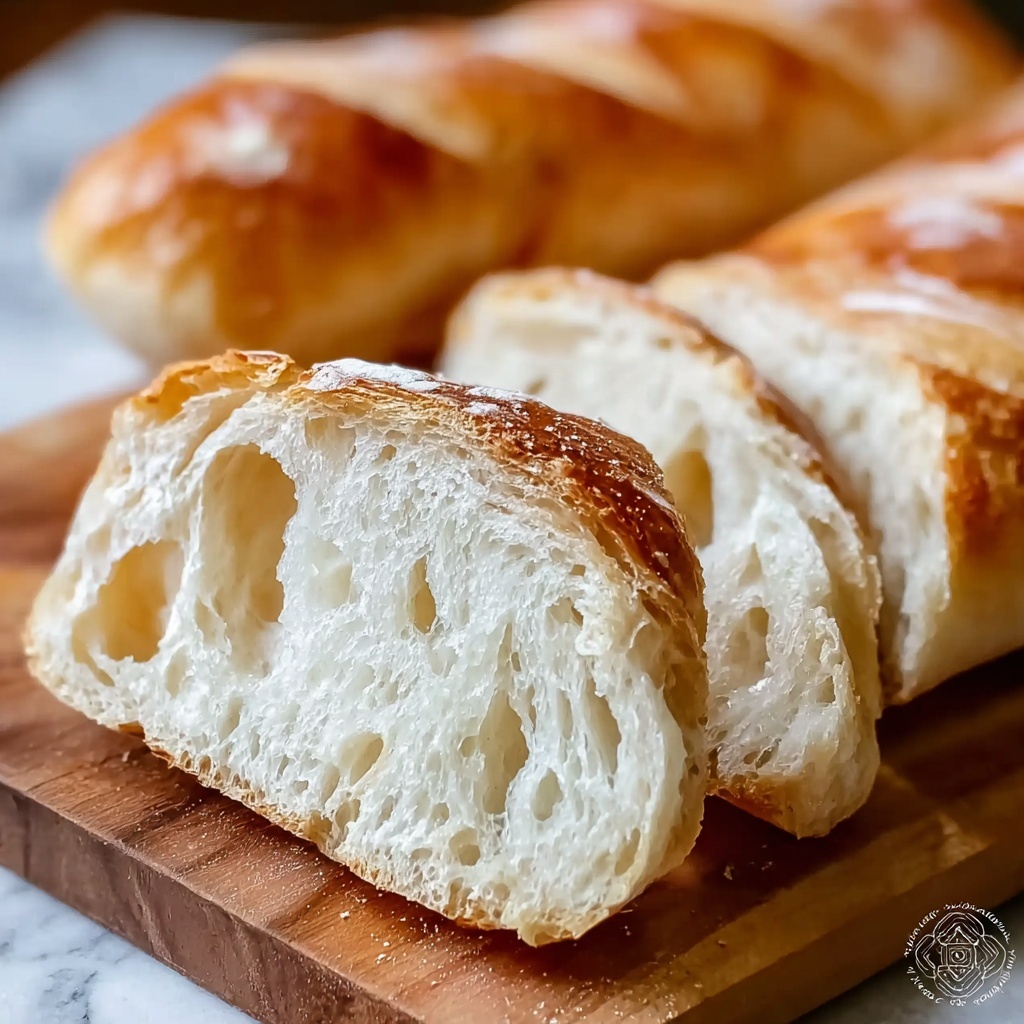
Nothing beats the joy of biting into a warm, freshly baked loaf with a pillowy interior and a delicate golden crust. My Soft Fluffy French Bread Recipe captures exactly that magic, blending simple ingredients into a comforting, versatile bread that feels straight from a little Parisian bakery right in your kitchen. This recipe is perfect whether you’re an avid baker or just starting out, promising a soft, fluffy crumb that will make any meal just a bit more special.
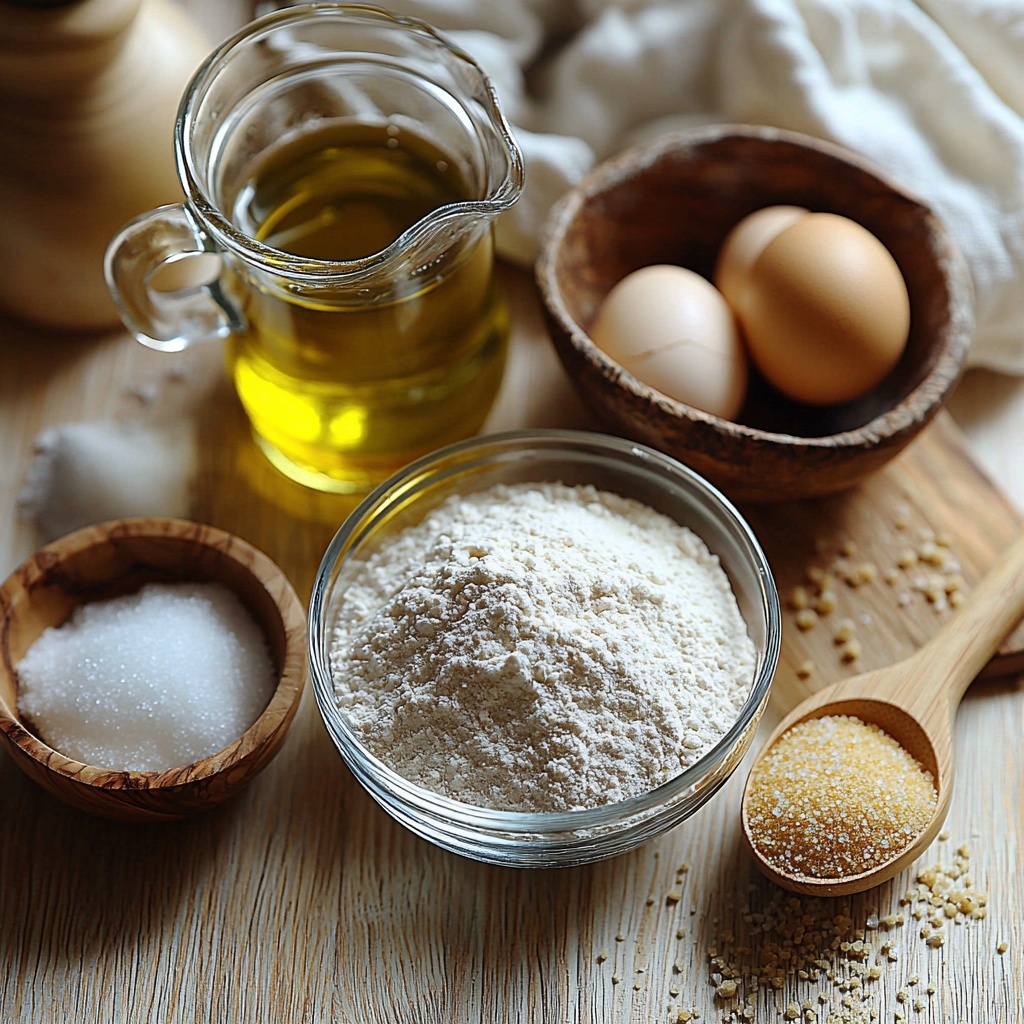
Ingredients You’ll Need
Each ingredient in this Soft Fluffy French Bread Recipe plays a crucial role, combining to create that perfect balance of flavor, texture, and color. From the yeast that sparks the rise to the olive oil that tenderizes the crumb, these basics come together in harmony.
- 4 cups all-purpose flour: The foundation of your bread providing structure and a tender crumb.
- 1 1/2 cups warm water (about 110°F): Activates the yeast and hydrates the flour for a smooth dough.
- 2 1/4 teaspoons active dry yeast: The magic ingredient that makes your dough rise and become airy.
- 2 tablespoons granulated sugar: Feeds the yeast and adds a subtle sweetness to the bread.
- 2 teaspoons salt: Enhances flavor and strengthens the gluten network.
- 2 tablespoons olive oil: Adds tenderness and moisture for that soft texture.
- 1 tablespoon cornmeal for dusting: Gives a rustic look and prevents sticking during baking.
- 1 egg white mixed with 1 tablespoon water for brushing (optional): Creates a beautiful glossy finish on the crust.
How to Make Soft Fluffy French Bread Recipe
Step 1: Activate the yeast
Start by stirring the warm water, sugar, and active dry yeast in a large bowl. Let it rest for 5 to 10 minutes until it becomes foamy and bubbly—that’s your yeast waking up and ready to work its magic.
Step 2: Combine and mix ingredients
Add olive oil and salt to the yeast mixture, stirring gently. Slowly incorporate the flour, one cup at a time, mixing as you go. You’ll start to notice the dough pulling together into a soft, manageable ball.
Step 3: Knead the dough
Transfer your dough onto a lightly floured surface and knead it for about 8 to 10 minutes. This step is essential to develop the gluten, making the dough smooth, elastic, and perfectly springy.
Step 4: First rise
Pop the kneaded dough into a lightly oiled bowl, cover it with a clean towel, and let it rest in a warm spot for about 1 hour. The dough should double in size, becoming light and airy—this is the hallmark of a successful Soft Fluffy French Bread Recipe.
Step 5: Shape the loaves
Once risen, punch down the dough gently to release excess air. Divide it into two equal portions and shape each into a long loaf. Place the loaves on a baking sheet dusted with cornmeal to prevent sticking and give a nice texture underneath.
Step 6: Second rise
Cover the loaves loosely and let them rise again for 30 minutes. This shorter, second rise helps maintain that beautiful fluffiness inside while getting ready for baking.
Step 7: Prepare for baking
Preheat your oven to 375°F. Just before placing your loaves inside, use a sharp knife to make several shallow slashes across the tops—this helps the bread expand beautifully while baking. If you like, brush the tops with the egg white and water mixture for a glossy, golden crust.
Step 8: Bake the bread
Bake your loaves for 20 to 25 minutes until golden brown and hollow-sounding when tapped. Once done, let the bread cool on a wire rack before slicing. This resting time allows the crumb to set perfectly, making every slice tender yet sturdy enough to hold any topping.
How to Serve Soft Fluffy French Bread Recipe
Garnishes
Fresh herbs like rosemary or thyme sprinkled on top before baking can add an aromatic twist that pairs beautifully with the bread’s gentle flavor. Alternatively, a light brushing of melted butter right after baking enhances the softness and adds a subtle richness.
Side Dishes
This Soft Fluffy French Bread is a dream companion to hearty soups like tomato basil or creamy mushroom. It also shines beside fresh salads or alongside cheese and charcuterie boards, soaking up flavors while providing a satisfying chew.
Creative Ways to Present
Turn your loaves into crowd-pleasing mini sandwiches by slicing horizontally and filling with your favorite deli meats and crisp veggies. Another fun idea is to slice thick pieces and toast them, topping with garlic butter or avocado for a quick, delicious snack.
Make Ahead and Storage
Storing Leftovers
Once your bread has fully cooled, wrap it tightly in plastic wrap or store it in an airtight container. It will stay soft and fresh for up to 3-4 days at room temperature. Avoid refrigeration as it may dry out the bread faster.
Freezing
For longer storage, slice the bread and place the slices in a freezer-safe bag with the air pressed out. Frozen bread keeps well for up to 3 months. When ready to enjoy, let slices thaw at room temperature or toast them directly from frozen.
Reheating
To revive that just-baked softness, wrap bread in foil and warm in a 350°F oven for 10-15 minutes. Alternatively, a quick toast or skillet warm-up will bring back the gentle crispness of the crust while keeping the inside fluffy.
FAQs
Can I use bread flour instead of all-purpose flour?
Yes! Bread flour has a higher protein content, which can create a chewier texture, but it will still work wonderfully for a soft, fluffy loaf. Just expect slightly different crumb characteristics.
What if my dough doesn’t rise?
If your dough isn’t rising, check the temperature of your water—it should be warm but not hot, ideally around 110°F. Also, make sure your yeast is fresh and active. Otherwise, placing the dough in a warmer spot can help encourage rise.
Is the egg white glaze necessary?
The egg white glaze is optional but highly recommended if you want a shiny, golden crust. It adds visual appeal and a slight texture contrast but skipping it won’t affect the softness of the bread inside.
How do I get a crispier crust?
For a crispier crust, place a small pan of hot water in the bottom of your oven to create steam while baking. This moisture helps form a crust that’s delightfully crunchy while keeping the bread soft inside.
Can I make this bread gluten-free?
This recipe relies on gluten development for its texture and rise, so it’s not ideal for gluten-free baking without significant adjustments. However, there are specialty gluten-free flours designed for bread that you could experiment with in a separate recipe.
Final Thoughts
The joy of the Soft Fluffy French Bread Recipe is in its simplicity and warmth—each loaf brings a slice of homemade comfort that’s perfect for any occasion. Whether you’re hosting friends, making family dinners, or just craving fresh bread, this recipe rewards you with doughy perfection every time. Give it a try and enjoy the heartfelt pleasure only fresh bread can offer!
“`
Print
Soft Fluffy French Bread Recipe
- Prep Time: 20 minutes
- Cook Time: 25 minutes
- Total Time: 1 hour 45 minutes
- Yield: 2 loaves (about 16 slices)
- Category: Bread
- Method: Baking
- Cuisine: French
- Diet: Vegetarian
Description
This Soft Fluffy French Bread recipe yields two deliciously light and airy loaves with a tender crumb and a golden crust. Perfect for sandwiches or alongside your favorite meals, this homemade bread combines simple ingredients with straightforward steps, resulting in bakery-quality bread right from your oven.
Ingredients
Dough Ingredients
- 4 cups all purpose flour
- 1 1/2 cups warm water (about 110°F)
- 2 1/4 teaspoons active dry yeast
- 2 tablespoons granulated sugar
- 2 teaspoons salt
- 2 tablespoons olive oil
Finishing Ingredients
- 1 tablespoon cornmeal for dusting
- 1 egg white mixed with 1 tablespoon water for brushing (optional)
Instructions
- Activate Yeast: In a large bowl, combine the warm water, sugar, and active dry yeast. Let it sit for 5 to 10 minutes, until the mixture becomes foamy, indicating that the yeast is active.
- Mix Dough: Add olive oil and salt to the yeast mixture and stir to combine. Gradually add the flour one cup at a time, mixing until a soft, slightly sticky dough forms.
- Knead Dough: Transfer the dough onto a lightly floured surface and knead for 8 to 10 minutes until it becomes smooth and elastic, developing the gluten structure necessary for a fluffy bread.
- First Rise: Place the kneaded dough in a lightly oiled bowl, cover with a clean towel, and allow it to rise in a warm place for about 1 hour, or until it has doubled in size.
- Shape Loaves: Punch down the risen dough to release air. Divide it into two equal portions and shape each into a long loaf. Place the loaves on a baking sheet lightly dusted with cornmeal to prevent sticking.
- Second Rise: Cover the shaped loaves loosely and let them rise again for 30 minutes, allowing the dough to become puffy.
- Prepare for Baking: Preheat the oven to 375°F (190°C). Use a sharp knife to make several shallow slashes across the tops of each loaf, which helps with expansion during baking. Optionally, brush the tops lightly with the egg white and water mixture to enhance browning and shine.
- Bake: Bake the loaves for 20 to 25 minutes or until the crust turns golden brown and the bread sounds hollow when tapped on the bottom, indicating it is cooked through.
- Cool: Remove the bread from the oven and transfer the loaves to a wire rack to cool completely before slicing, ensuring the texture sets perfectly.
Notes
- For a softer crust, brush the hot bread lightly with butter immediately after baking.
- To achieve a crispier crust, place a small pan of hot water in the bottom of the oven during baking to create steam.
- Use a sharp serrated knife for clean slicing without squashing the bread.